Table Of Content
A 3 x 3 x 3′ pile allows enough mass for materials to heat up internally. That means ample room for loading in compost materials, turning the materials, and scooping them out. Bins with narrow designs or limited access points can be hard to load, and even harder to turn and work.
Gardening Tips And Tricks To Become A Successful Homesteader
8 Kitchen Compost Bins We Love in 2024 Reviews by Wirecutter - The New York Times
8 Kitchen Compost Bins We Love in 2024 Reviews by Wirecutter.
Posted: Fri, 07 Jul 2023 07:00:00 GMT [source]
Wriggly insects like centipedes and worms often join the feast, helping to transform our organic household wastes into nutrient-packed goodness for our gardens. Almost a third of the things we throw away are compostable, so setting up a compost bin is an excellent way to live greener. Mature compost is ready to use to amend soil, add to potted plants, as a fertilizer, or for mulching. If you are using a small compost bin or a larger one with different chambers, and the weather is warm or hot, the compost can be ready in as little as two months. Anaerobic composting systems work with organisms such as bacteria that live in the absence of atmospheric oxygen. For the system to work properly, it needs to be completely sealed off so no air gets inside.

Building a General-Purpose Compost Bin
A compost bin is a container that holds organic waste that ultimately turns into compost. Compost bins come in numerous types and sizes, from simple DIY backyard compost barrels to high-tech indoor countertop composters controlled by an app. To build this lumber compost bin, look for wooden lumber planks and cut it to your preferred height and width. Once done creating the base, the upper and side panel, use screws or glue to assemble all pieces.
How Long Until The Compost is Ready
Additional bays will require materials for the front and back and only one additional side. Here is a list of the materials needed for the single bin design Kevin and Jacques implemented with Paul. In this piece, we’ll discuss how to make your bin, and how to maintain it. We base this on our recent video (linked here) that covers how to make a lovely bay compost system. We’ll also touch on other modes of DIY composting that you can try out at home.
For instance, I’ve been preparing a bed for fall and winter gardening a couple of months ahead of time. In this process, I’ve built my hugel base with logs and branches, with leaves and grass clippings between the spaces. As kitchen scraps are made from cooking in the house, they head outside to the hugel bed. In a couple of months, I’ll have a rich soil to plant in. Another thing to consider is cleaning the bins when you’ve emptied them.
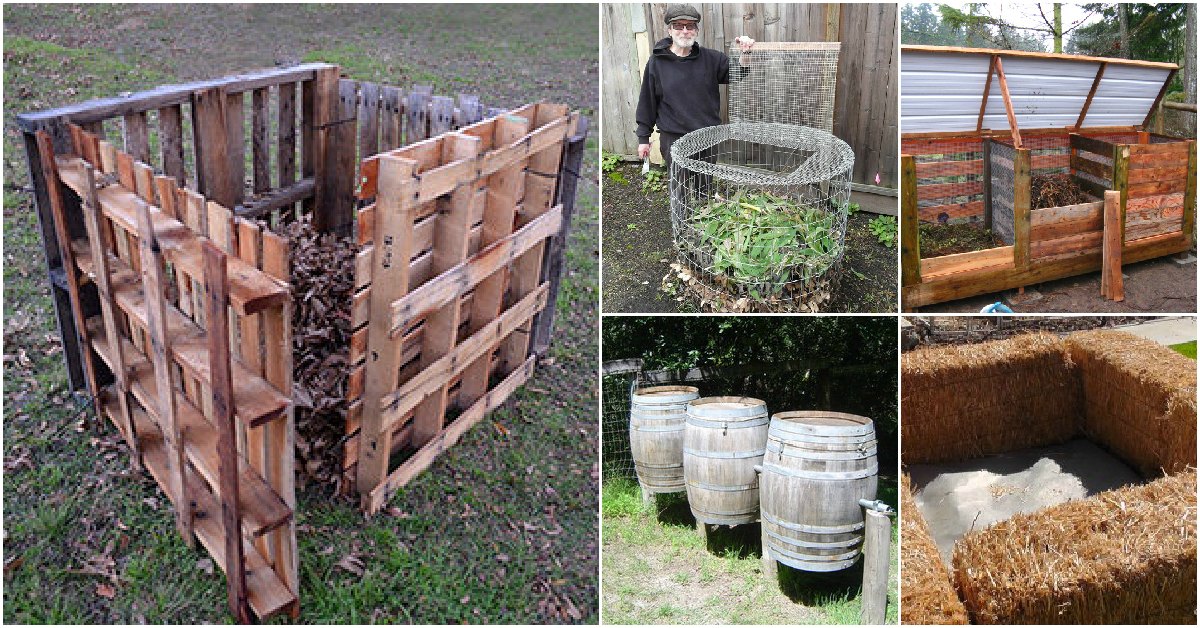
To use a three bin system, start by filling up the first bin by layering green (nitrogen-rich) materials with brown (carbon-rich) materials. For an altogether different DIY method, support a drum, food barrel, or trash can on a wood frame with four casters and you have a spinning tumbler. Cut an entry/exit hole into the vessel if none already exists; a simple latching mechanism and hinges will hold the contents inside.
But in more compact backyards, homeowners often rely on a compost bin, either store-bought or homemade. Make sure you attach hardware cloth to the lower door frame as well, as a separate piece so you can still open the door. Now let’s outline the process of building your compost bins in a bay system.
Raised Garden Bed With Compost Bins
That is where this corrugated iron composter falls into place and the best thing is it won't cost you an arm and a leg despite being very sturdy. And for your wood frame, wood pallets will do the magic, low cost or even free. Be careful, though, that your pallets are safe to use and won't cause any harm to your precious worms. A compost pile or composter can be an eyesore that ruins your garden landscape. So is a big container that has “composter” written all over it even if it has precious black gold in it.
Pre-drill a single hole through both ends of the 3′ boards. Then square the joints and use 2-1/2″ deck screws to attach the 3′ boards to the shorter boards. Pre-drill holes into the 3′ 3″ 2×6 board so that you have 2 holes lined up with each of the short ends of the vertical 2x4s. Drive 2-1/2″ deck screws to attach the support board to the bottom of the grid. Now that you have a lovely wooden bay DIY composter, let’s talk about how to use it.
Multiple bin composting systems typically involve three or more composting containers in a row. But before you can appreciate the wonder of the humus harvest, you need some sort of housing to render down your collection of food and yard waste. The aroma and texture of finished compost – or humus – is a divine thing. Learn more about this efficient way of producing compost with worms.
The downsides are that small animals can sneak in, and the bin contents can spill out. Take good care of your compost pile, and you can have a fresh batch of compost in three to six months. 8 - Place the bin on top of the soil in your chosen location. You may want to add a layer of gravel or wood chips to help with drainage. 5 - Complete your square or rectangle by joining the parallel walls with the remaining 2x6 boards at right angles. Be sure to check that the corners are square using a framing square.
However, we chose to add a few finishing touches to ours. Now it’s time to create the slots or “tracks” for the removable front boards to slide into. Giving the compost pile direct contact with the earth will quickly introduce a multitude of decomposers that will work to turn waste into black gold. Simple enough for even the most novice DIYers to build, this very basic tumbling compost is perched on a wooden sawbuck. A long PVC or galvanized steel rod runs through the center of a rain barrel (or other food-grade drum) which allows it to rotate. While this build creates a large compost holder, 8’ x 8’ in size, you could always cut the timber in half to create a smaller bin.
While any of the above options are great for home gardeners, farmers, and nursery staff alike, you can get even more technical with your DIY project. Recently, Jacques, Kevin, and Paul built a 5-bay compost system on the Epic Homestead. The design they executed is simple but makes the composting process more organized than some of the others mentioned up to this point. One very easy way to compost in a small space is worm composting, also known as vermicomposting.
Now that you know how to use your compost bay, and you’ve fed your bins appropriately, you have the privilege to harvest finished compost. If you have a staged bay system where you add food scraps to one, and move ready-to-use stuff to another, that’s pretty easy. Simply sift through the top portion of the pile, accessing the rich garden amendment that is compost at the bottom. You can also divide the bins into different types of composting, where one is a worm bin, one is full of straw bales, and one is for green waste. You could also reserve one for grass clippings and other yard waste where you break down refuse, killing weed seeds before adding them to your new compost bin. A compost bin made of decorative brick creates a more permanent structure that can enhance the look of your property.




No comments:
Post a Comment